




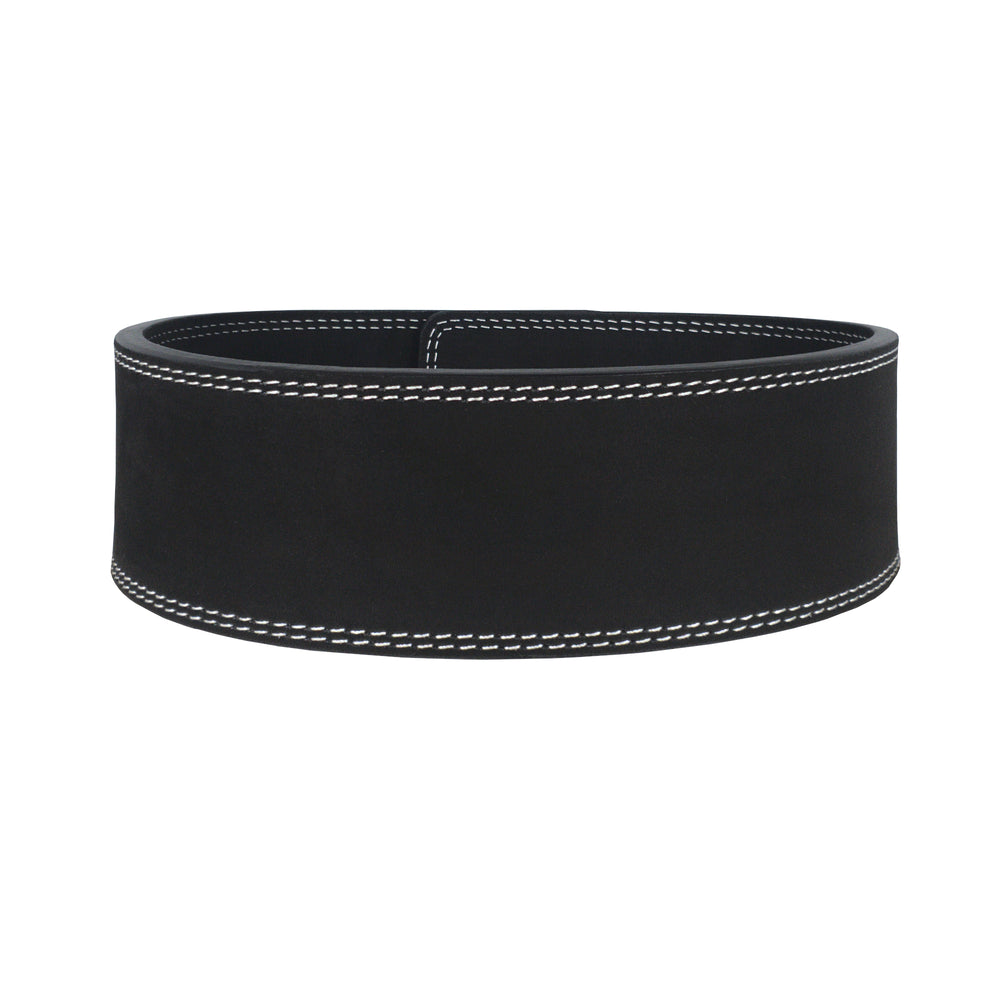


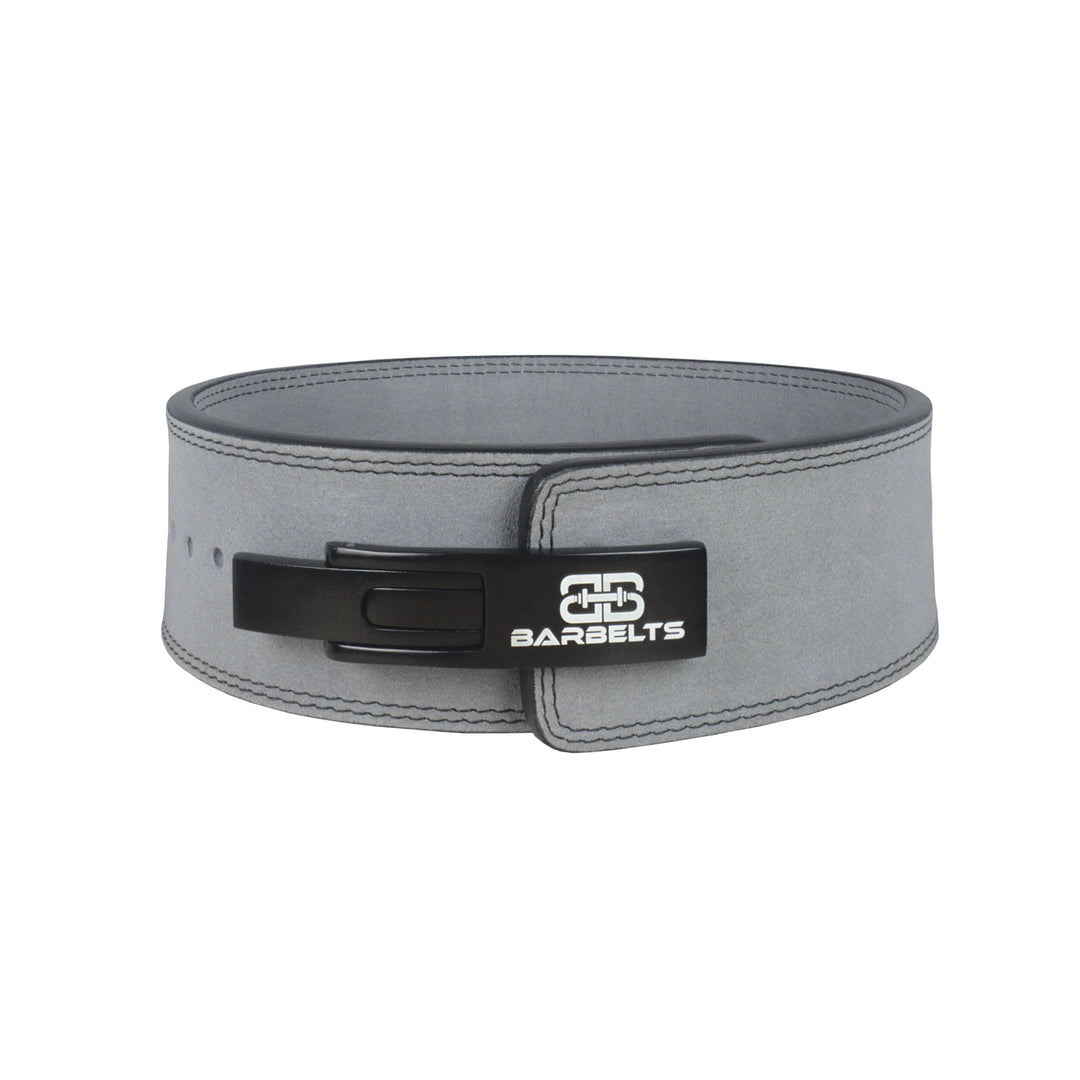
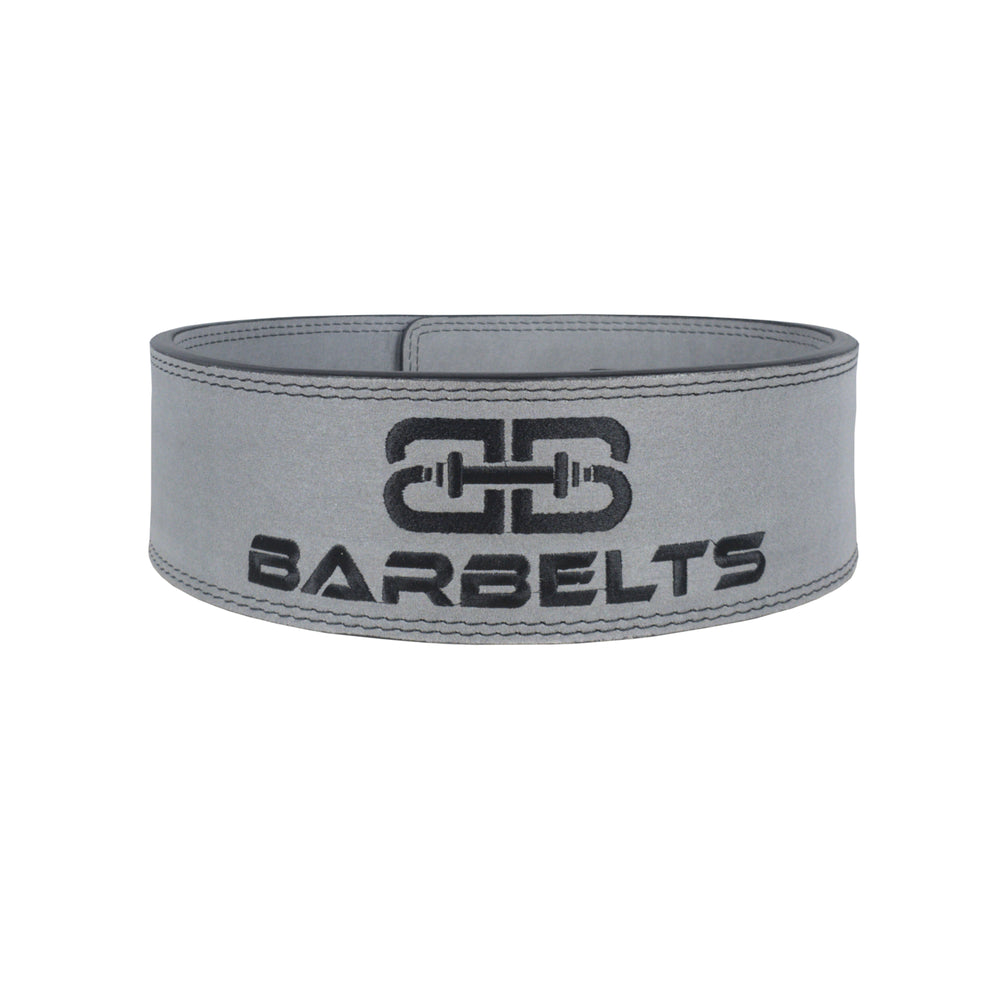
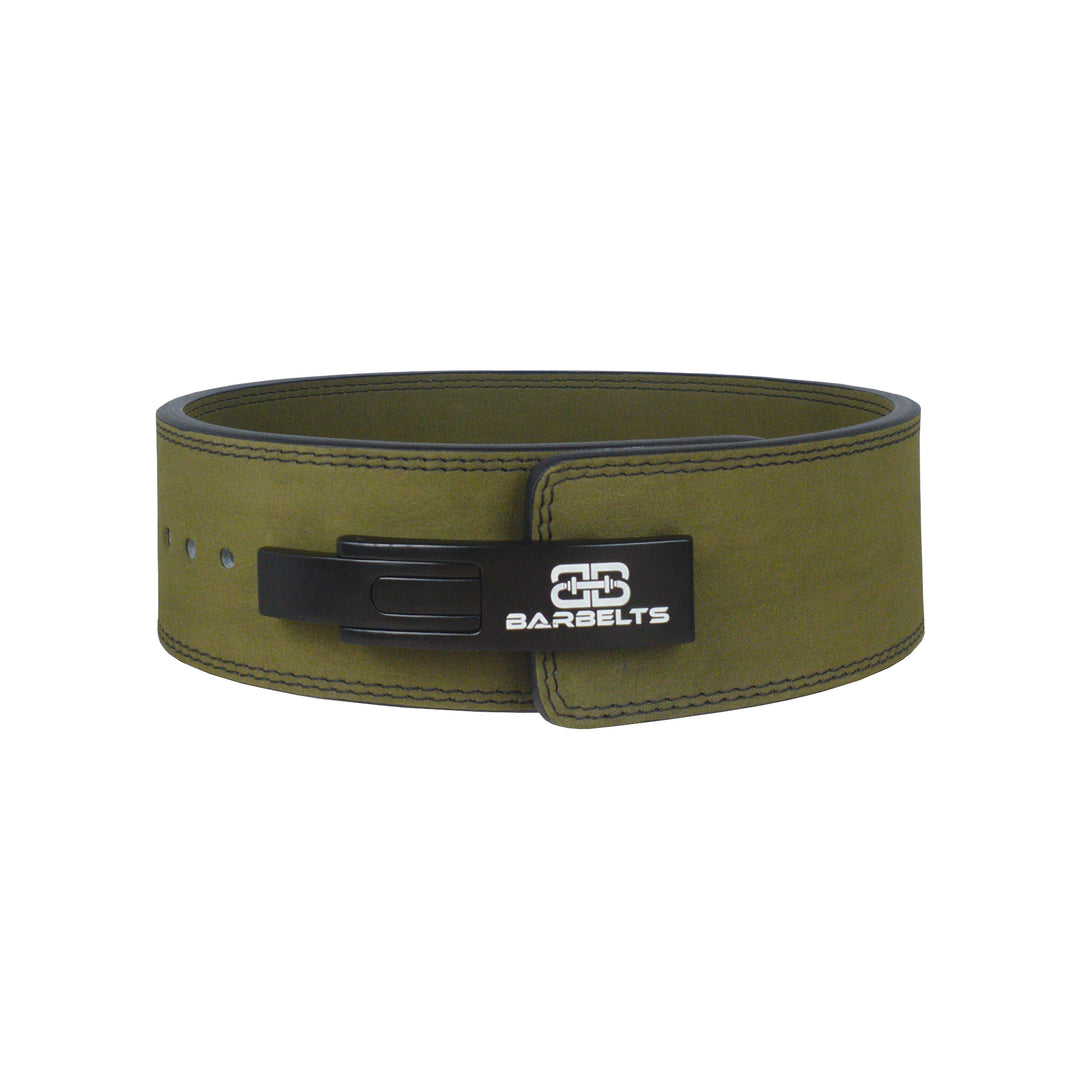
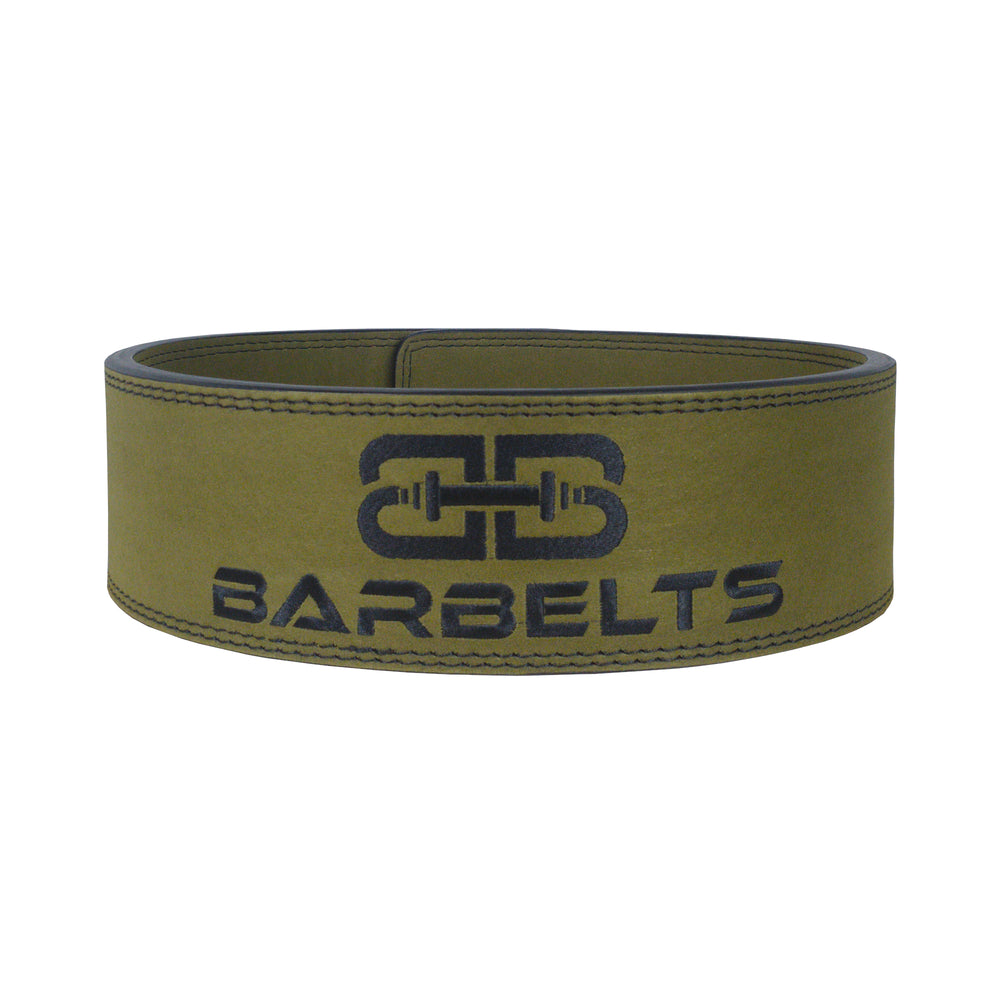
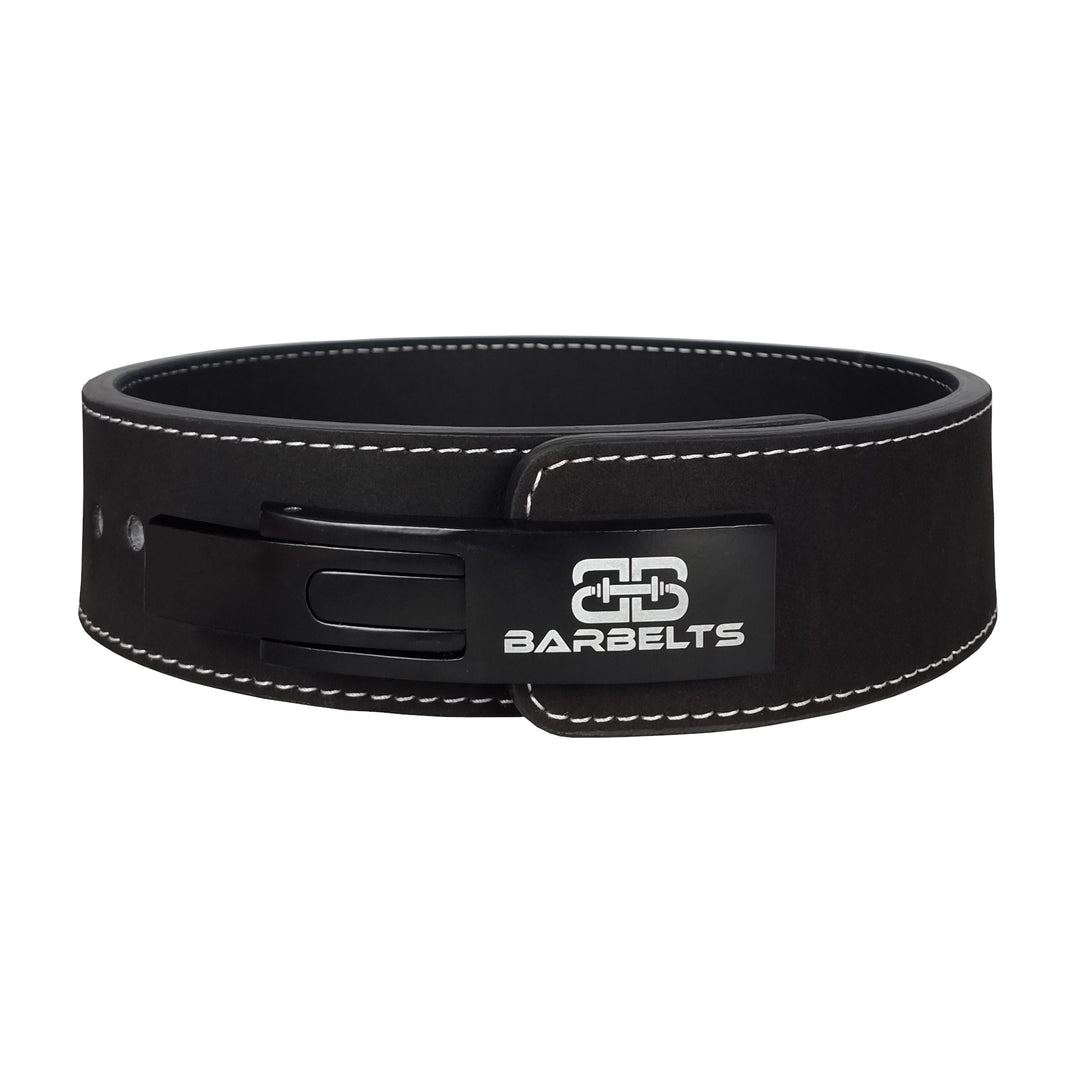
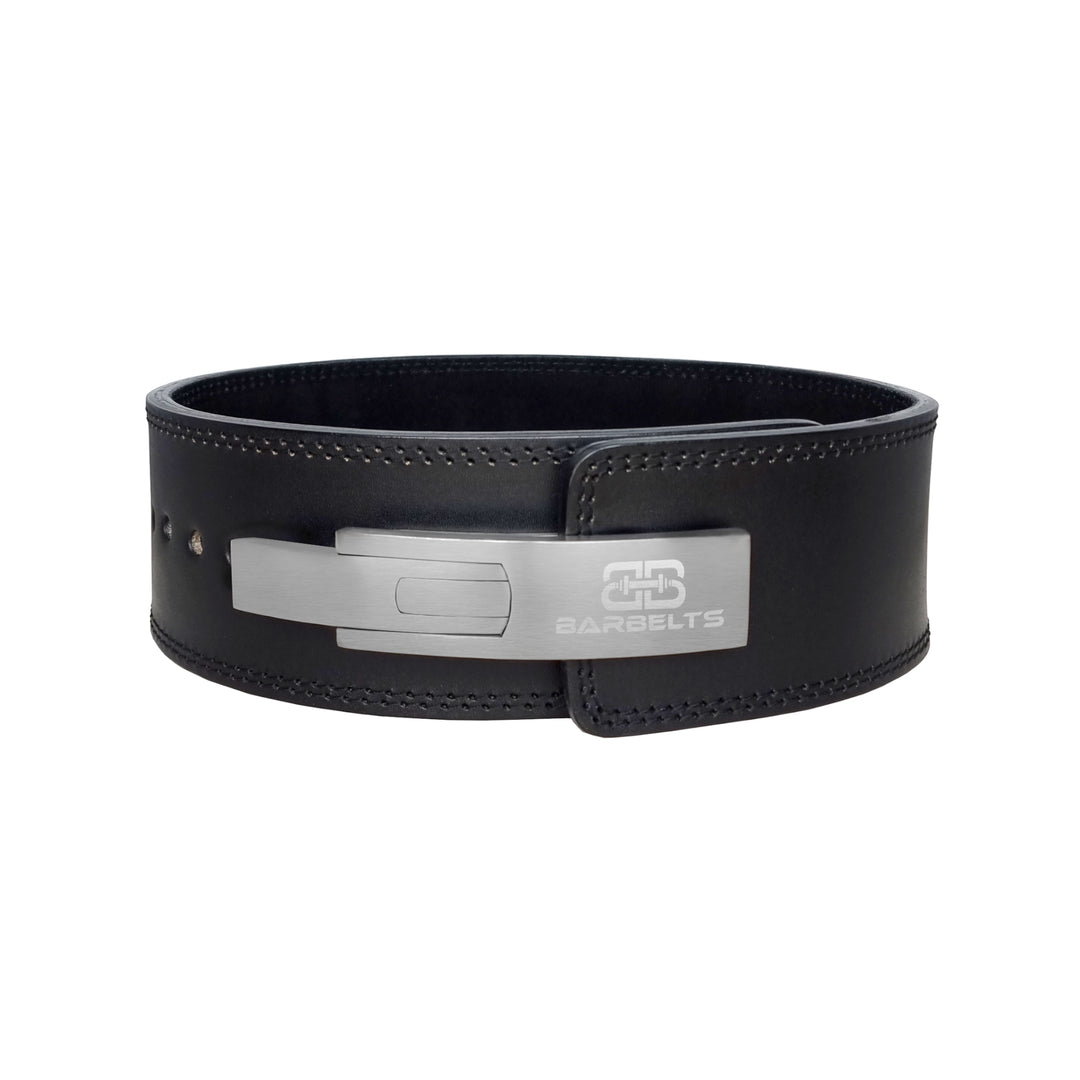


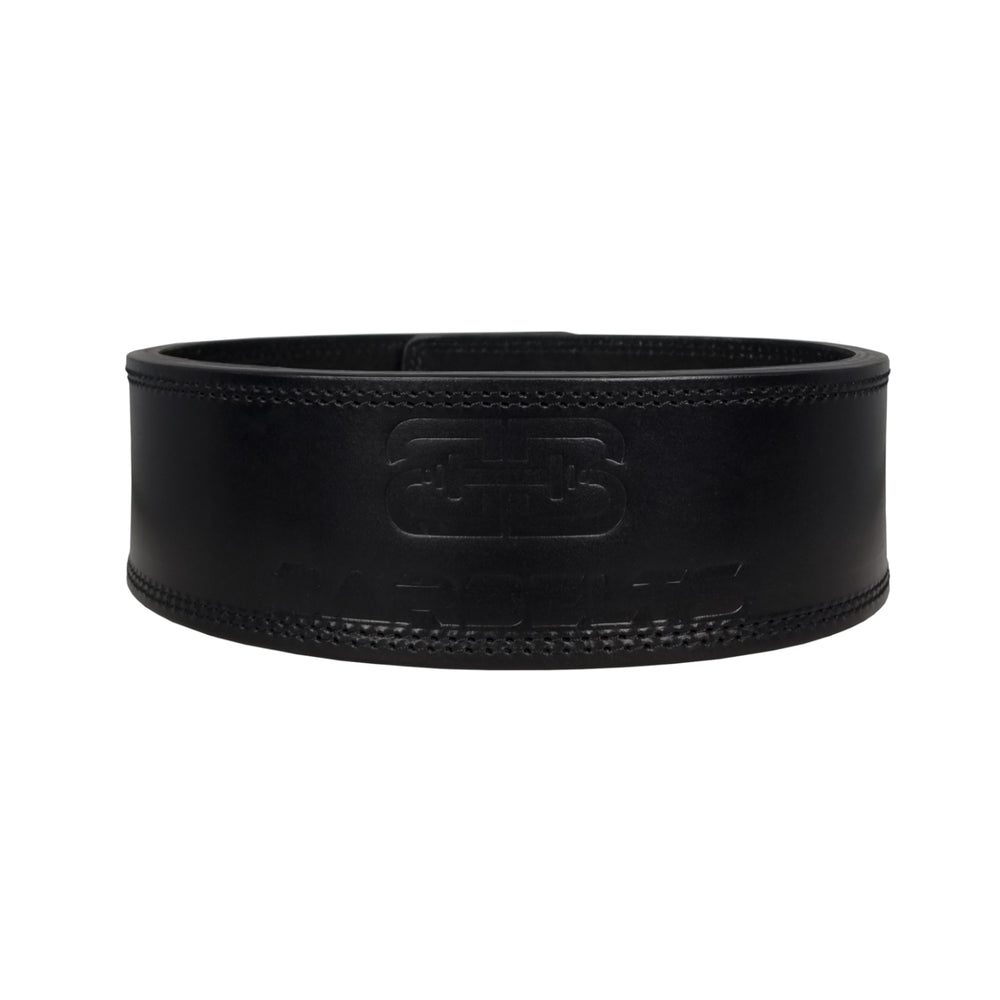
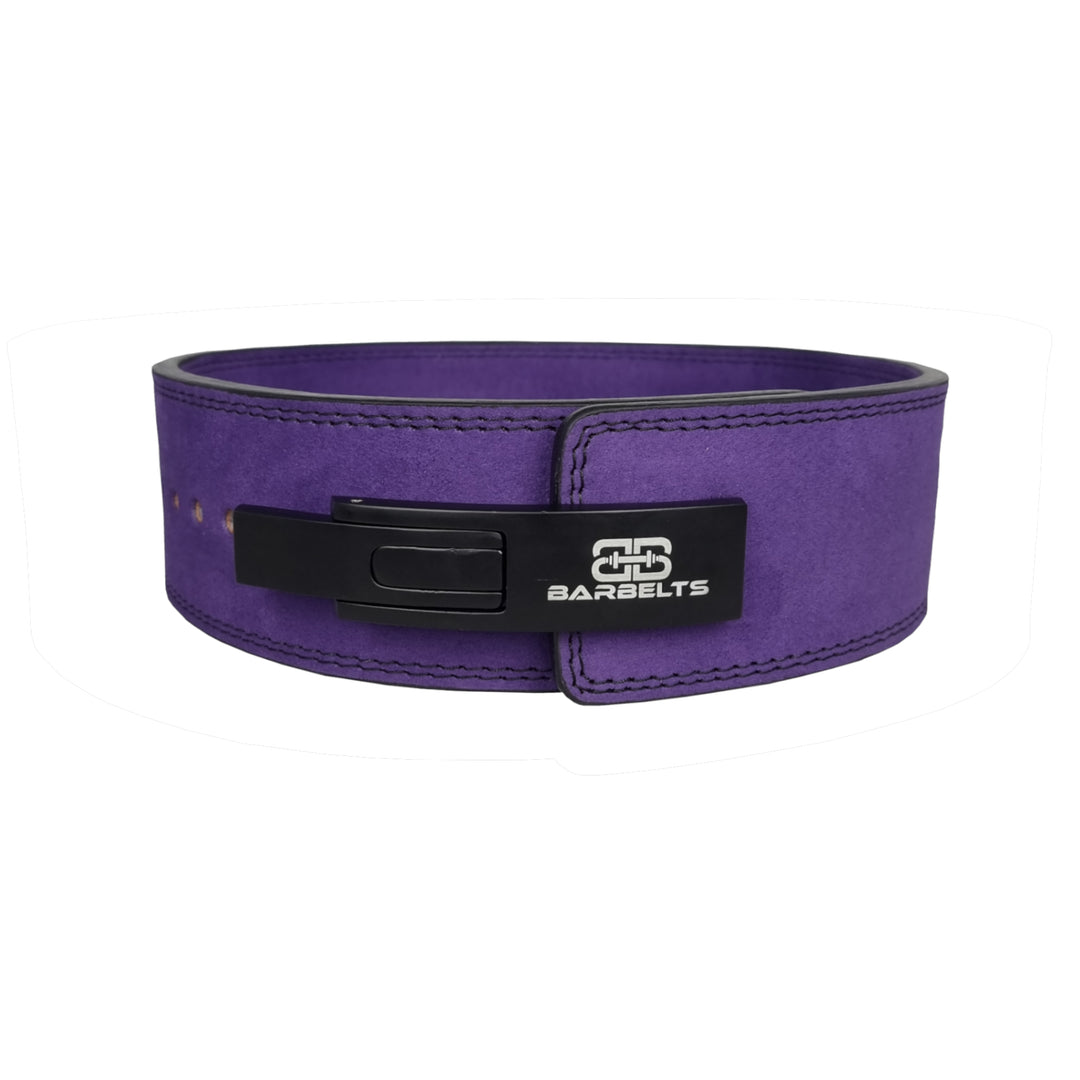
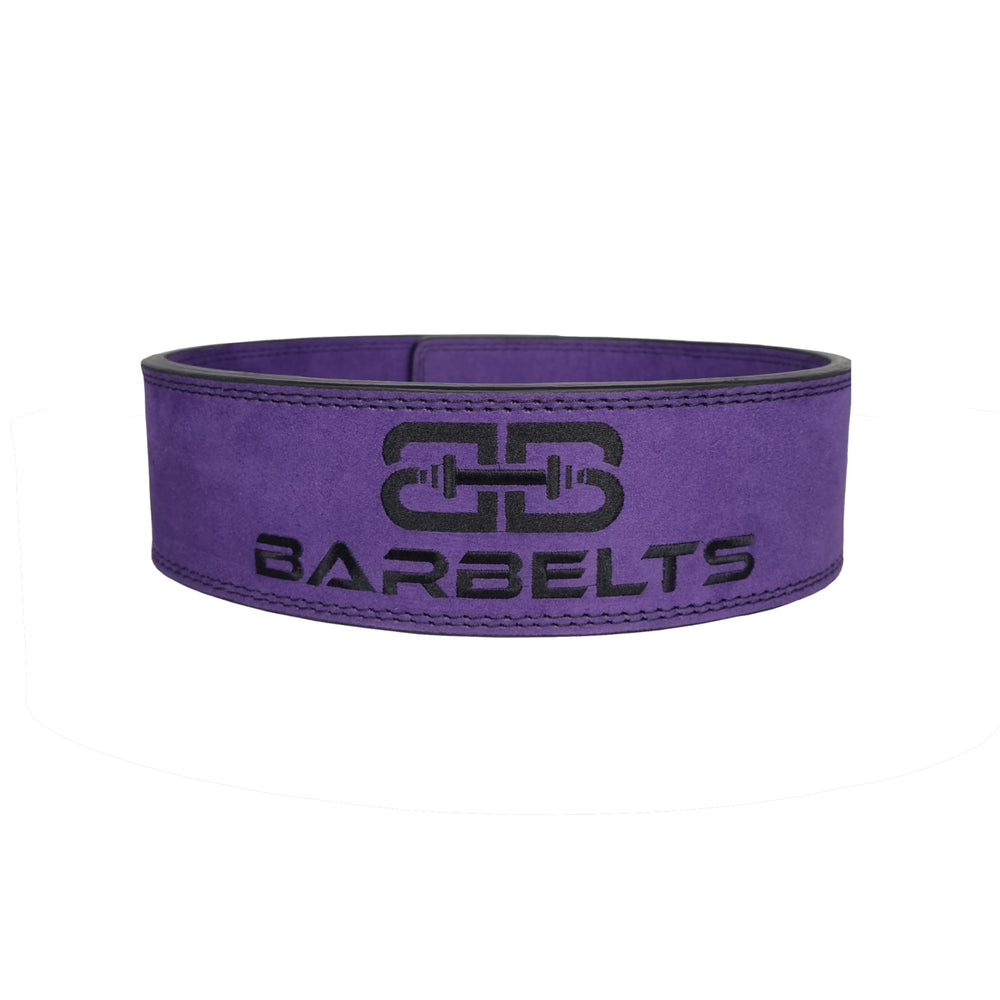
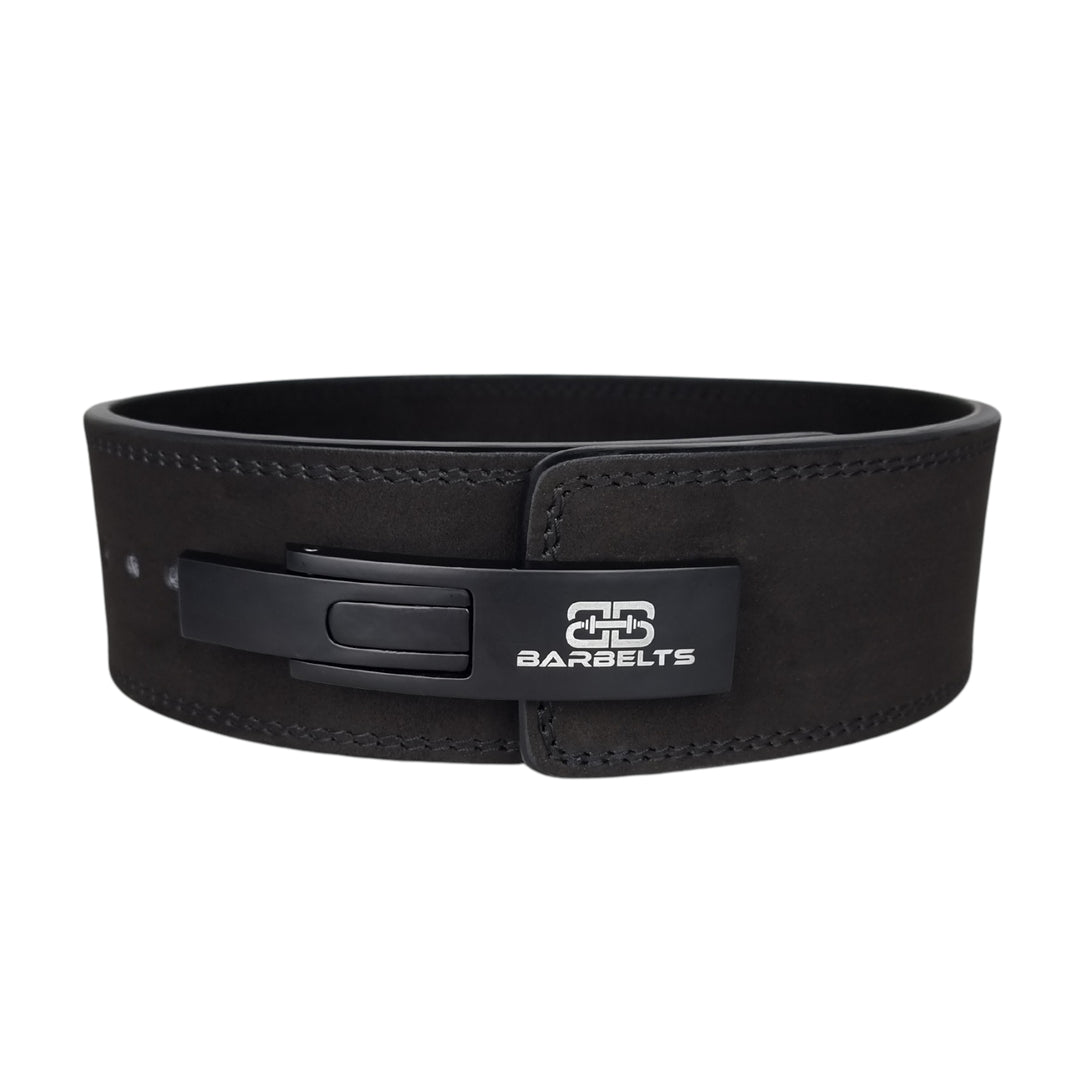
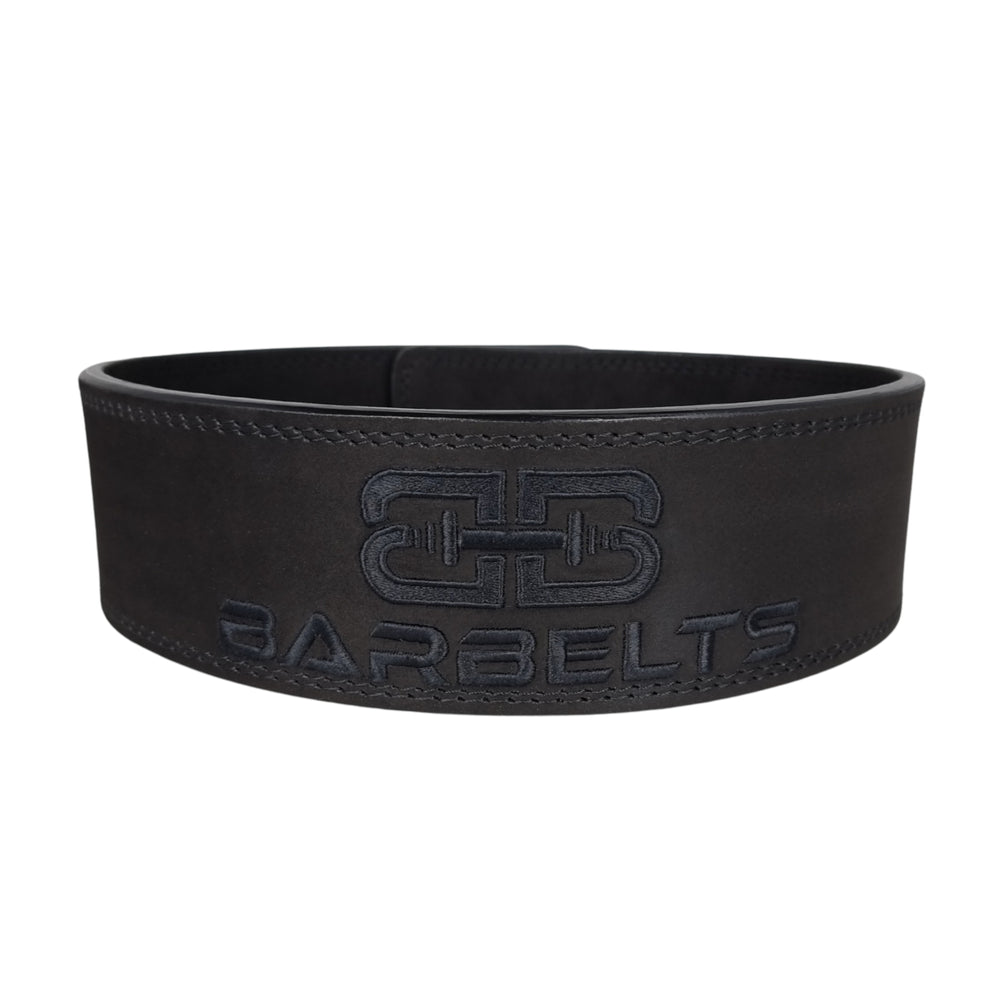
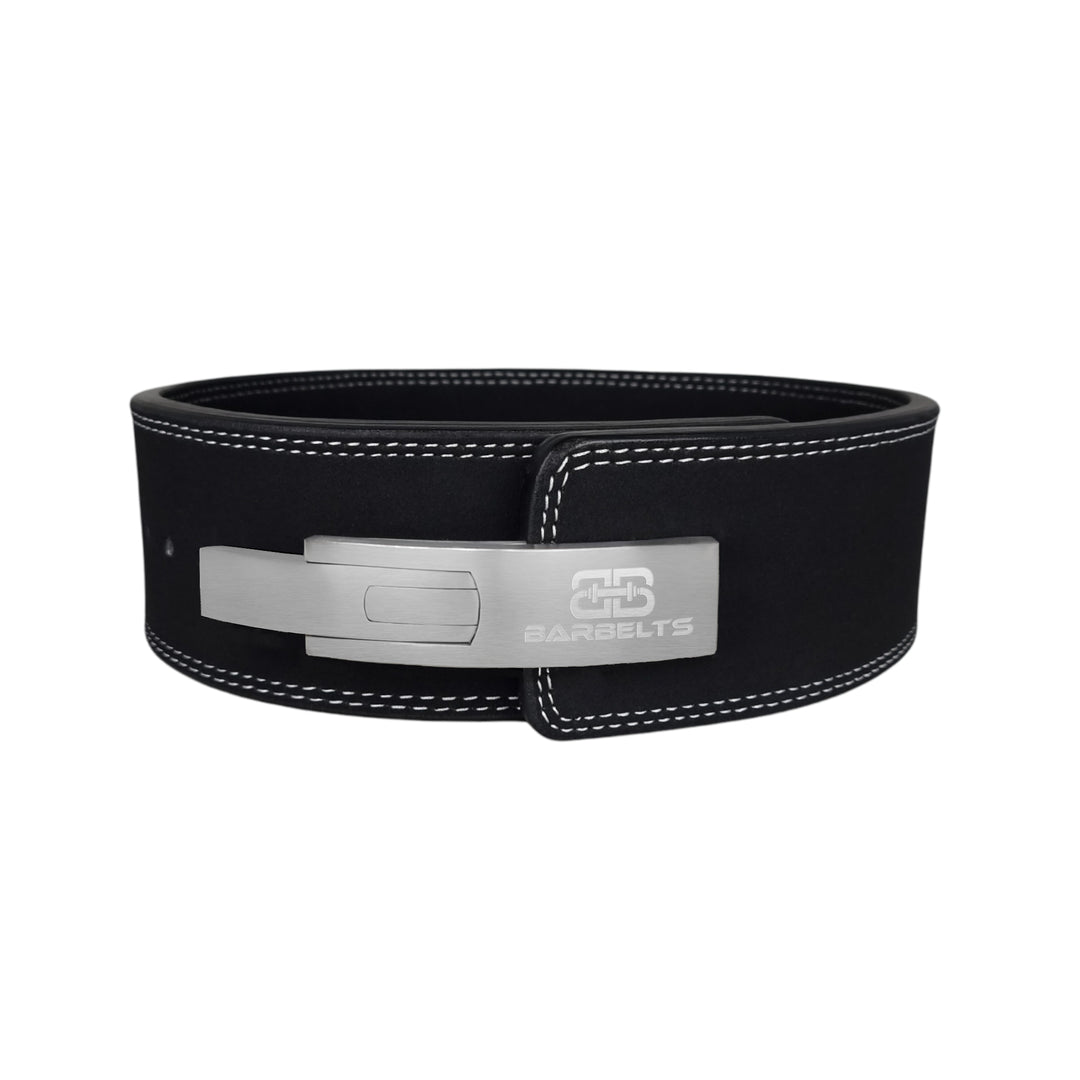
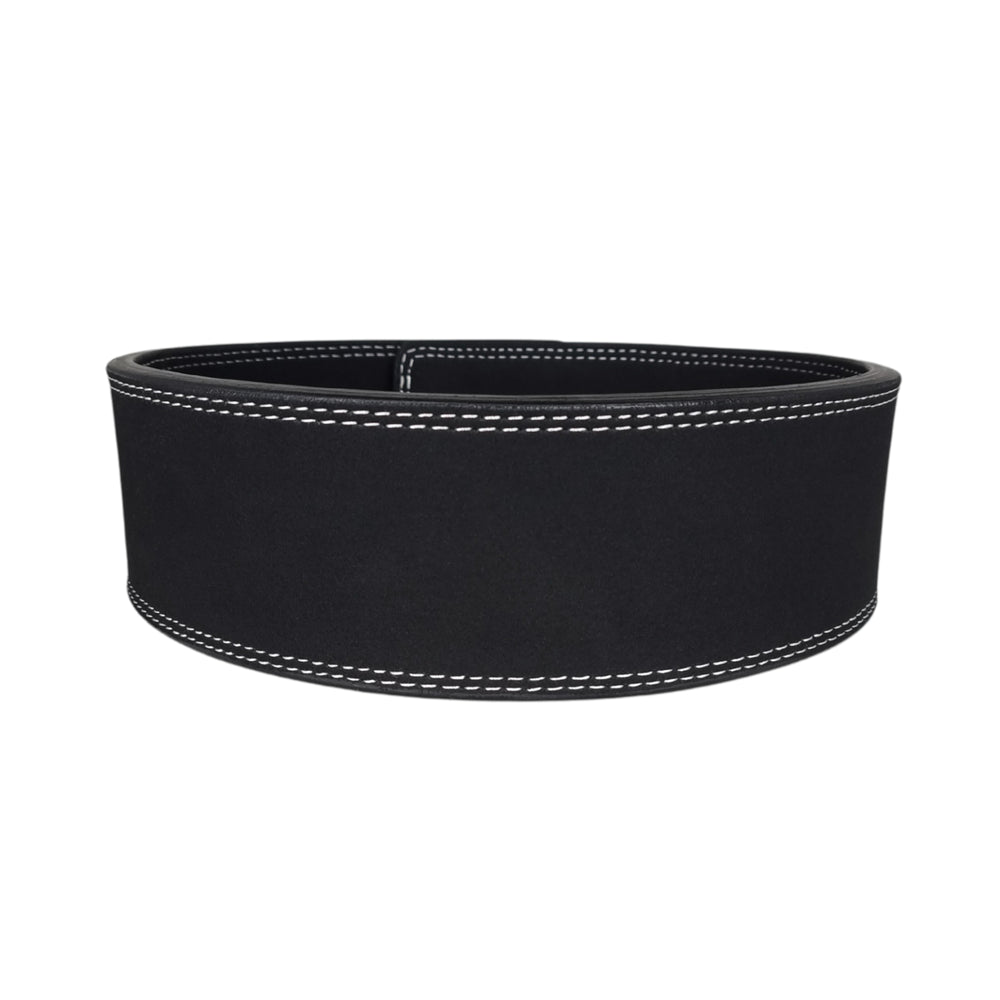


What is a lever belt?
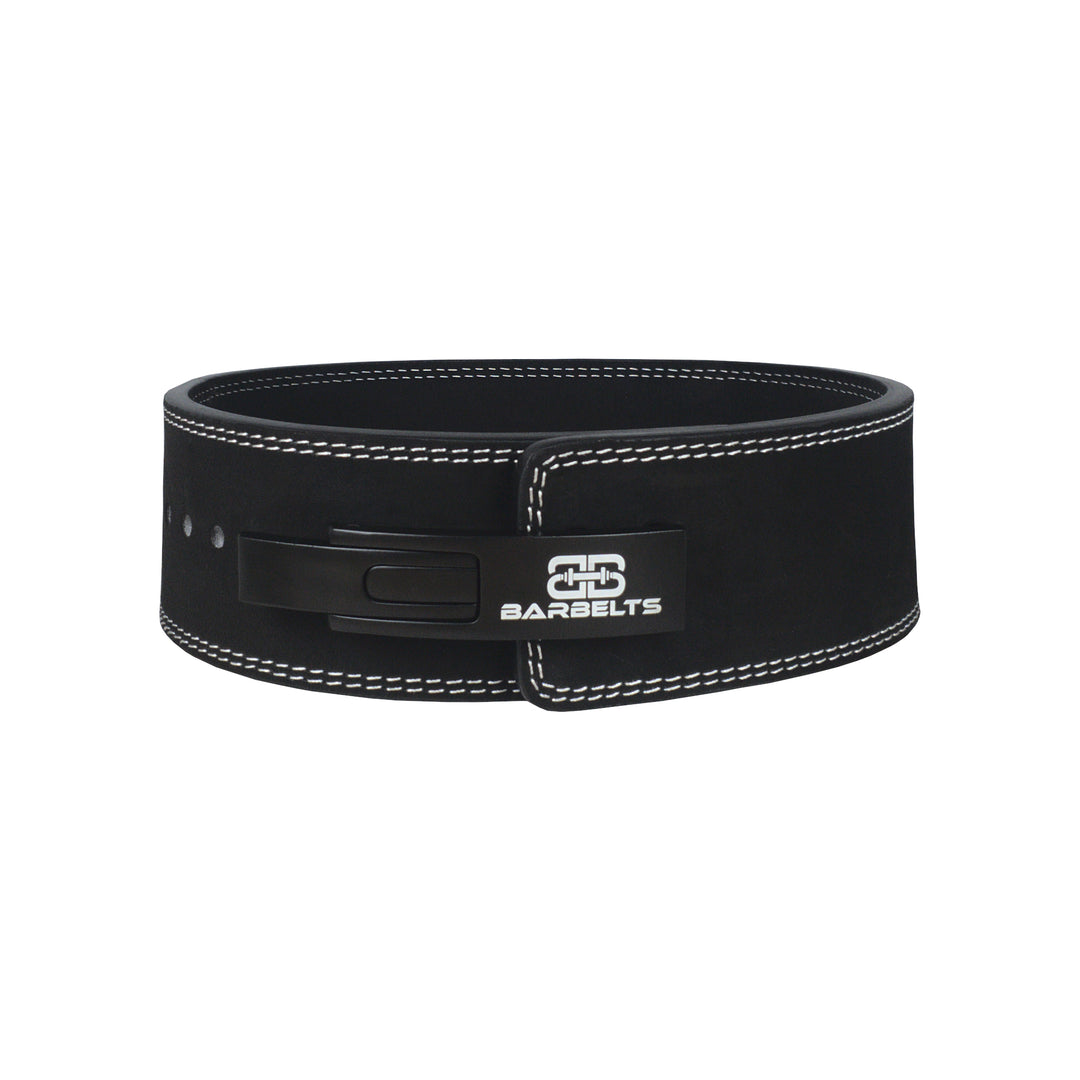
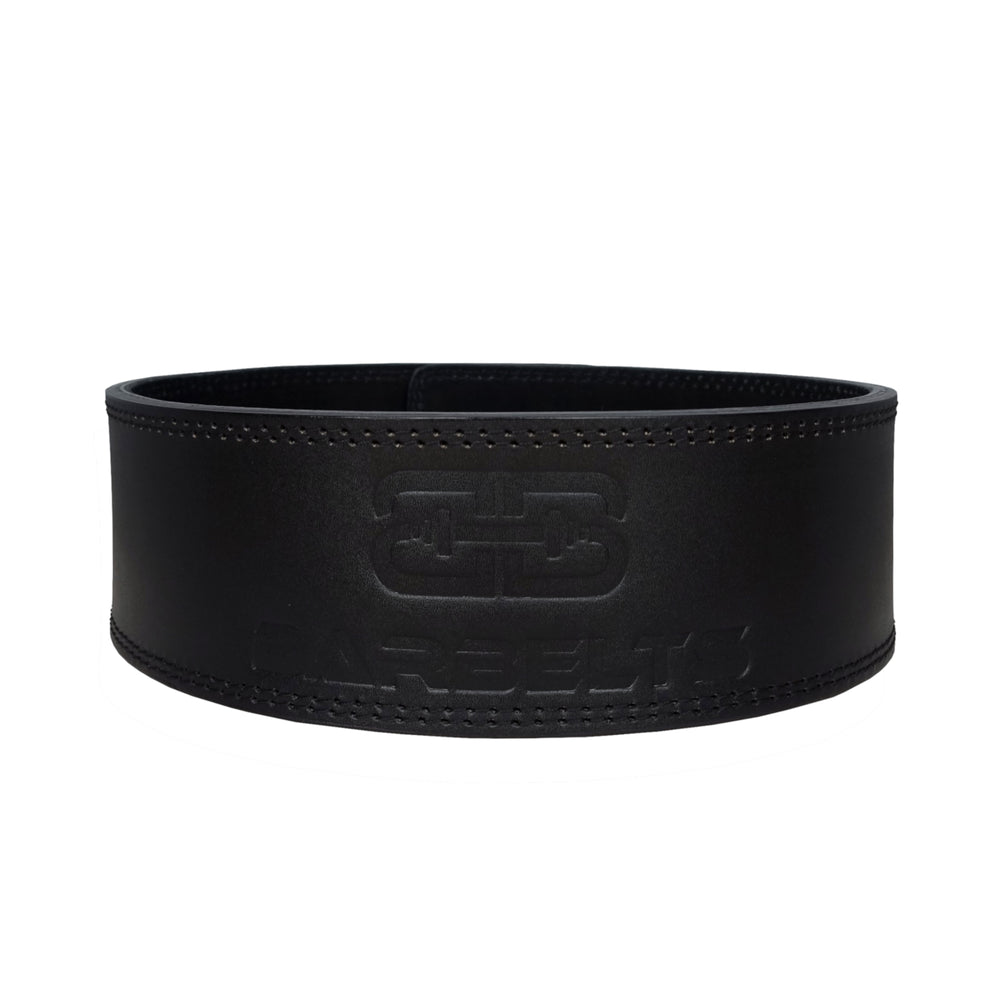
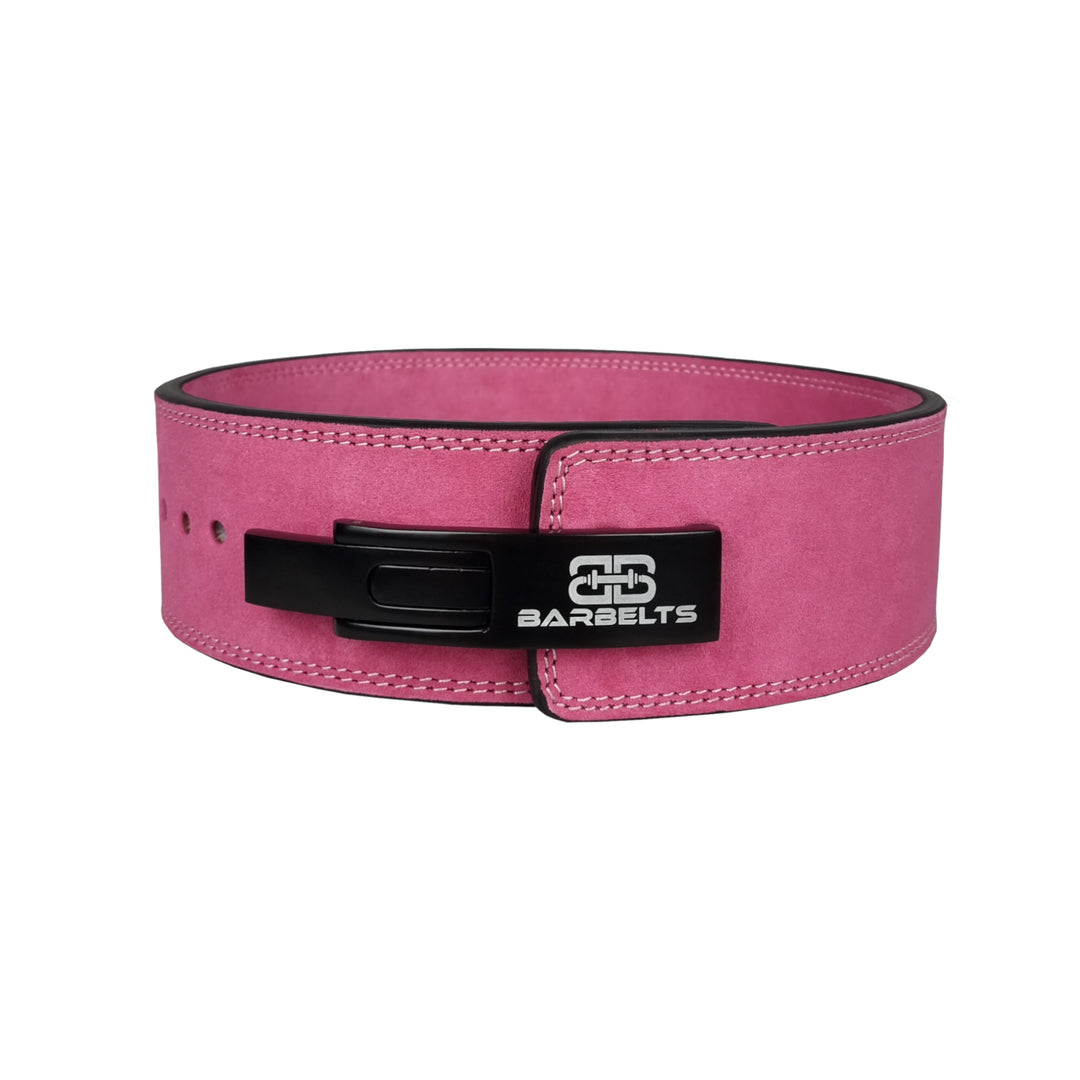
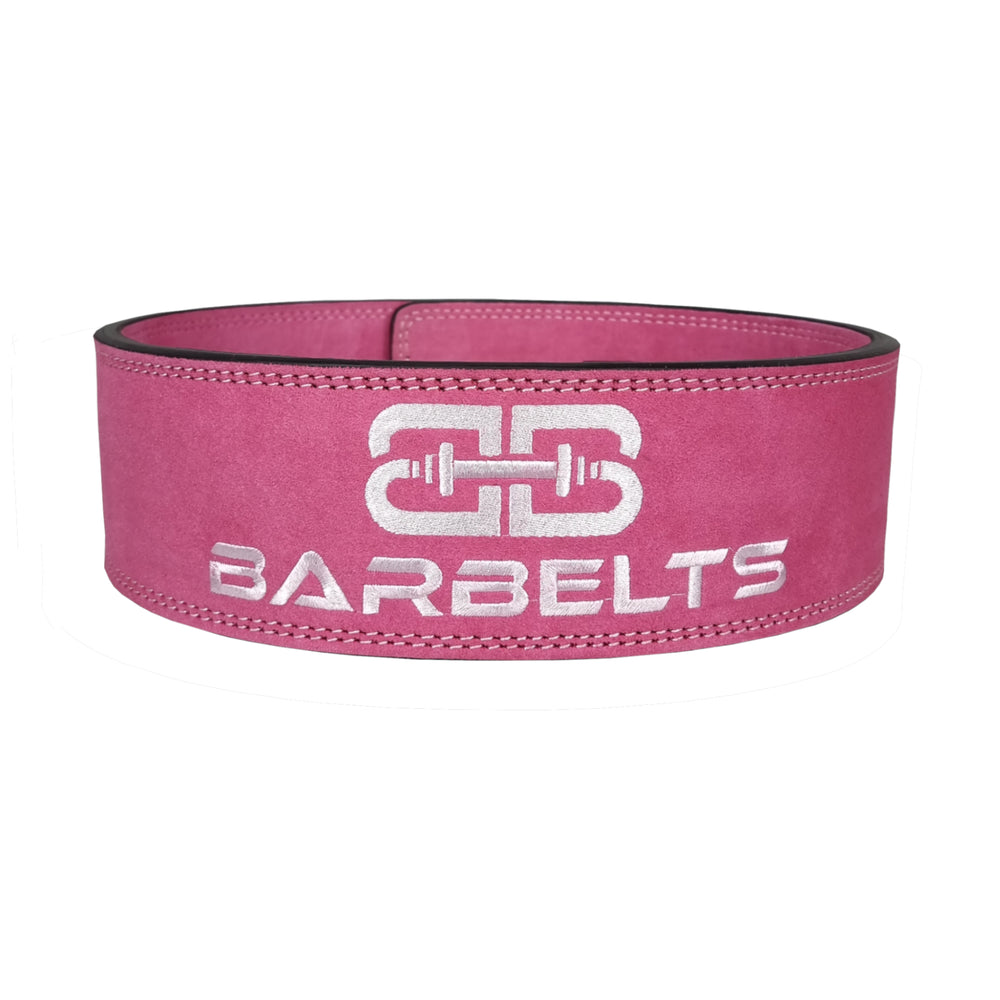
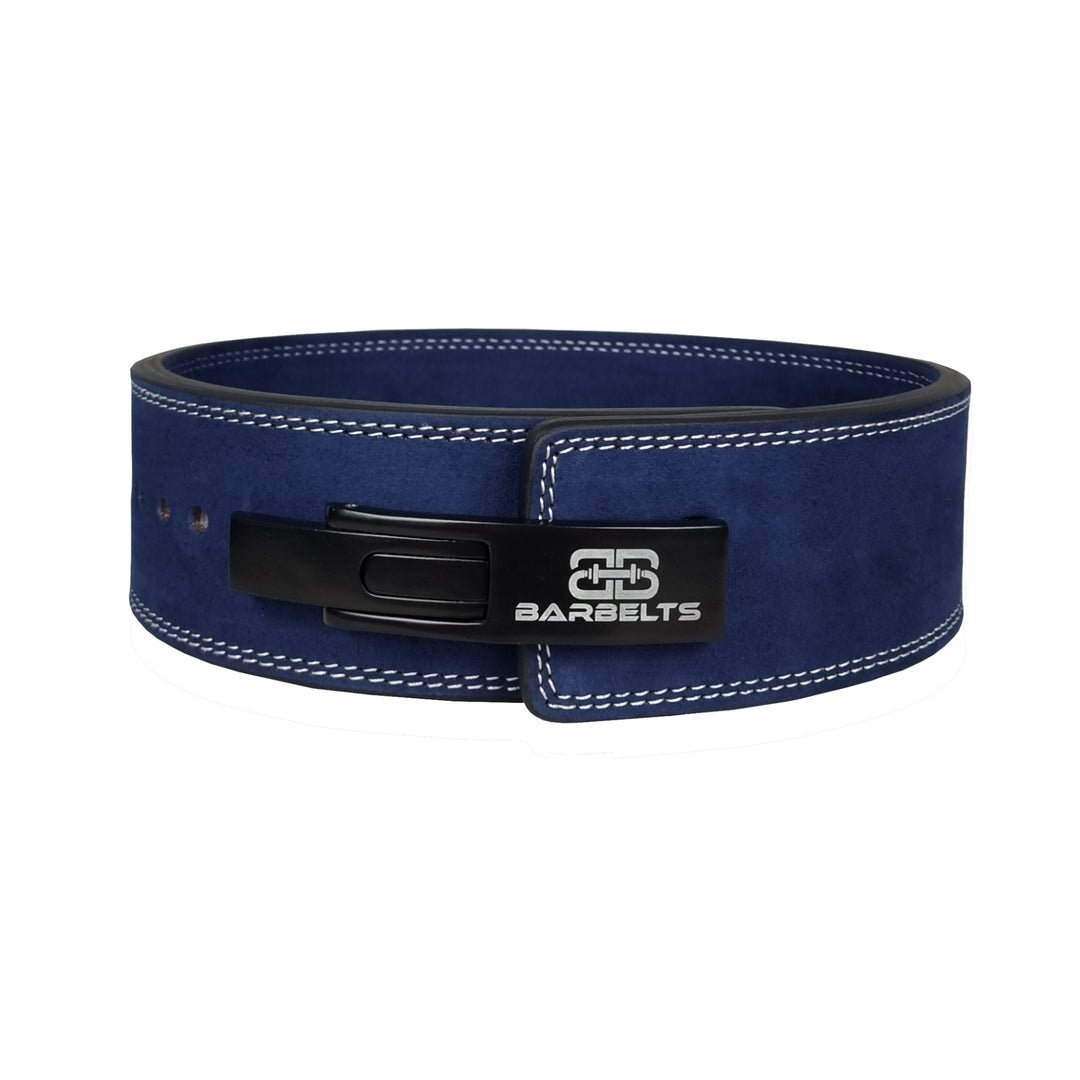
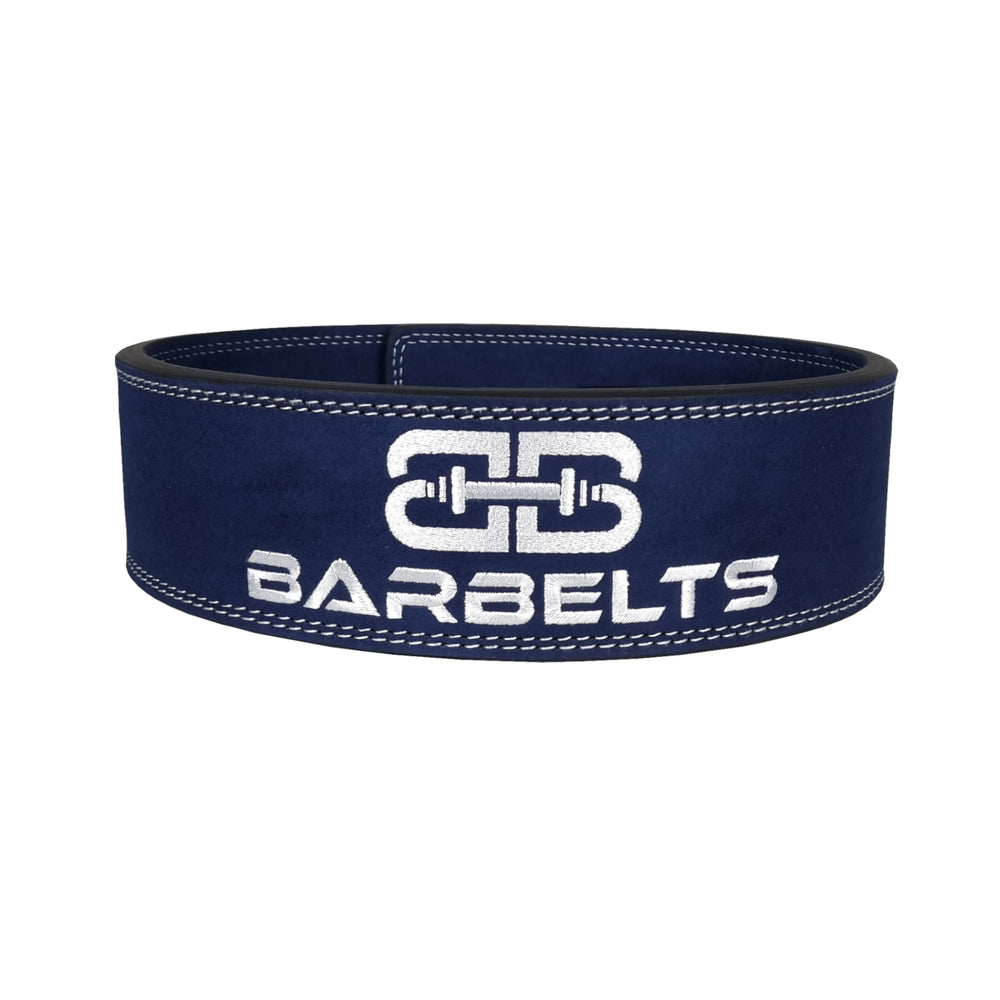
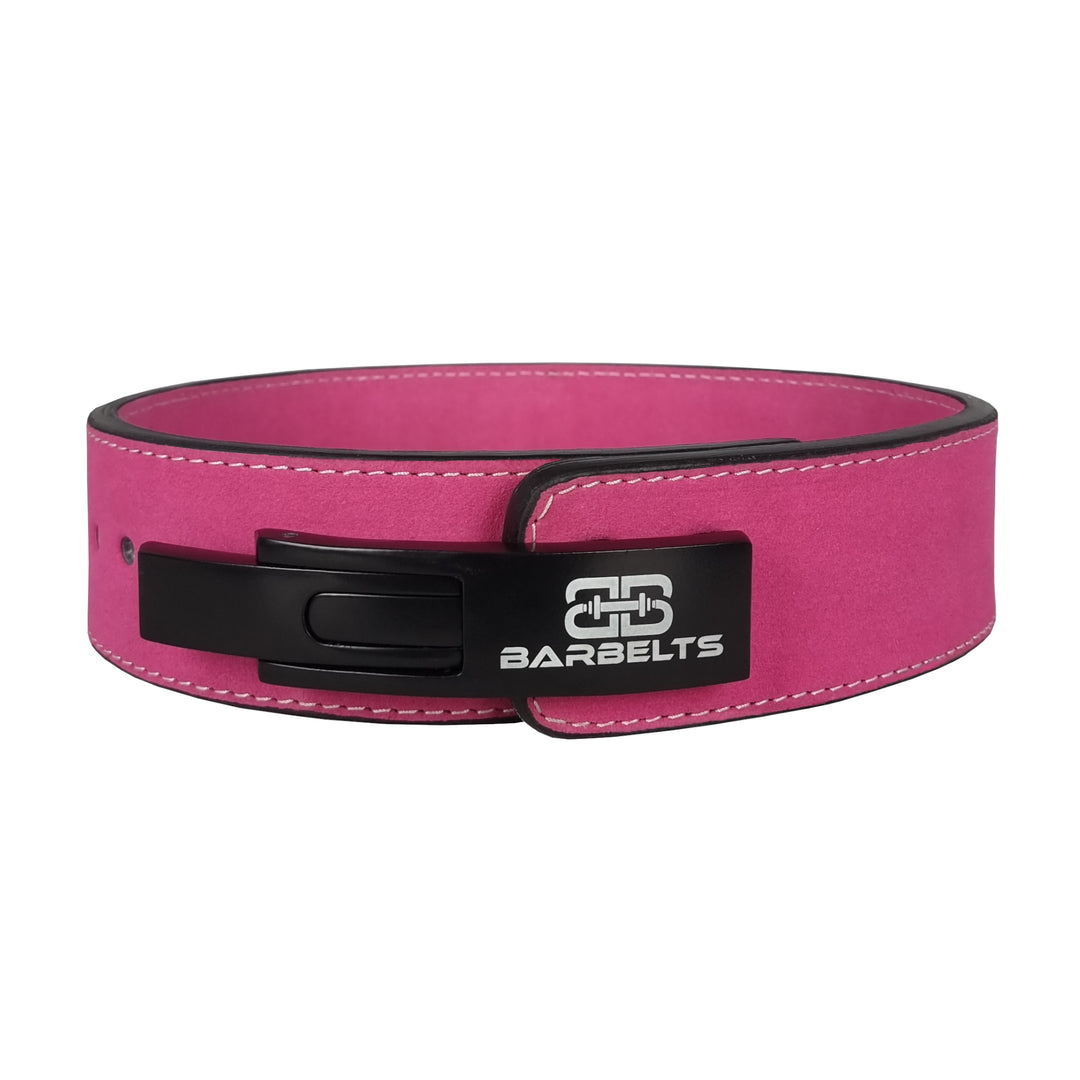
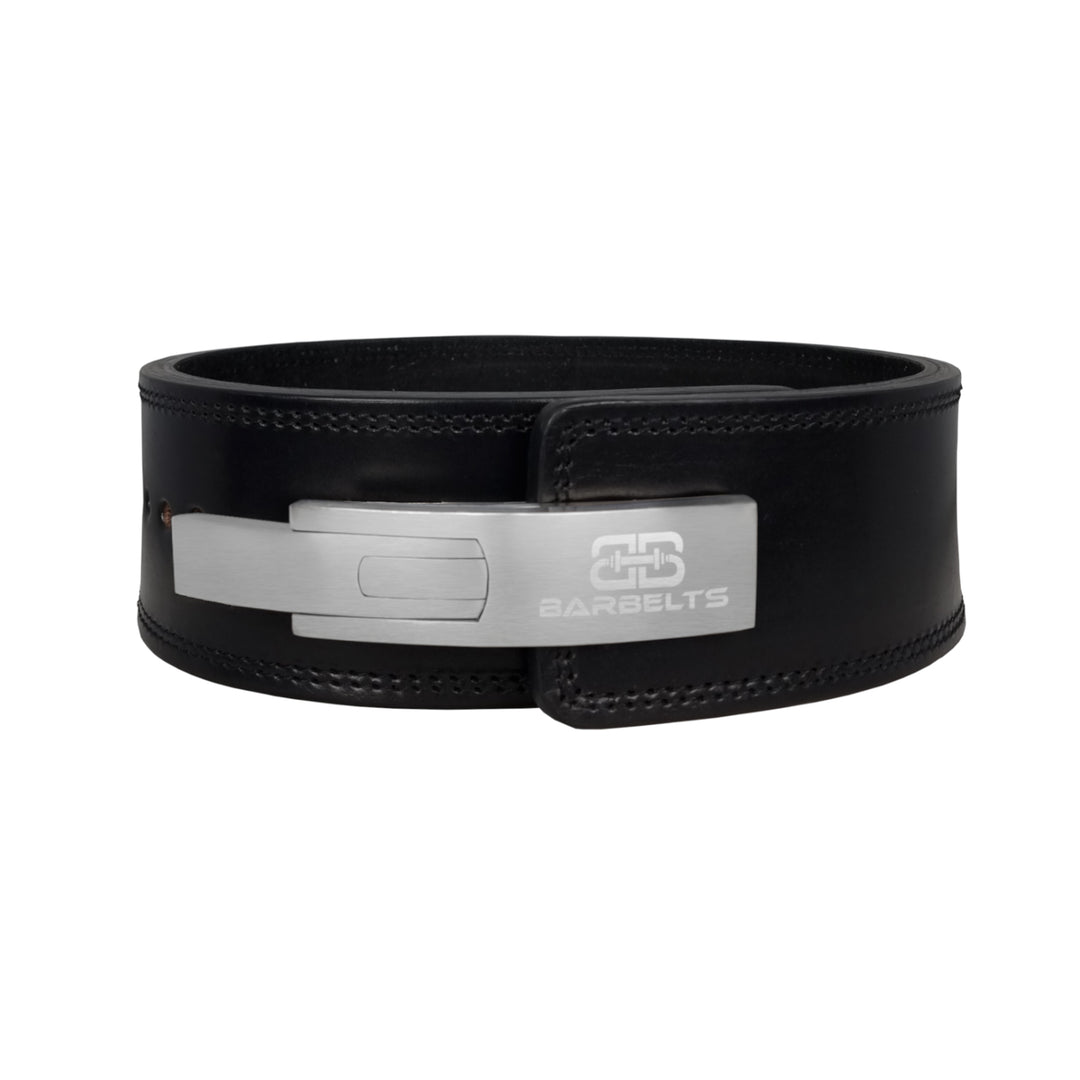
A lever belt, also known as a powerlifting belt, is a special weightlifting belt that is often used in powerlifting and specific strength training. It is designed to provide extra support and stability to the lifter's core during heavy lifts, such as squats and deadlifts.
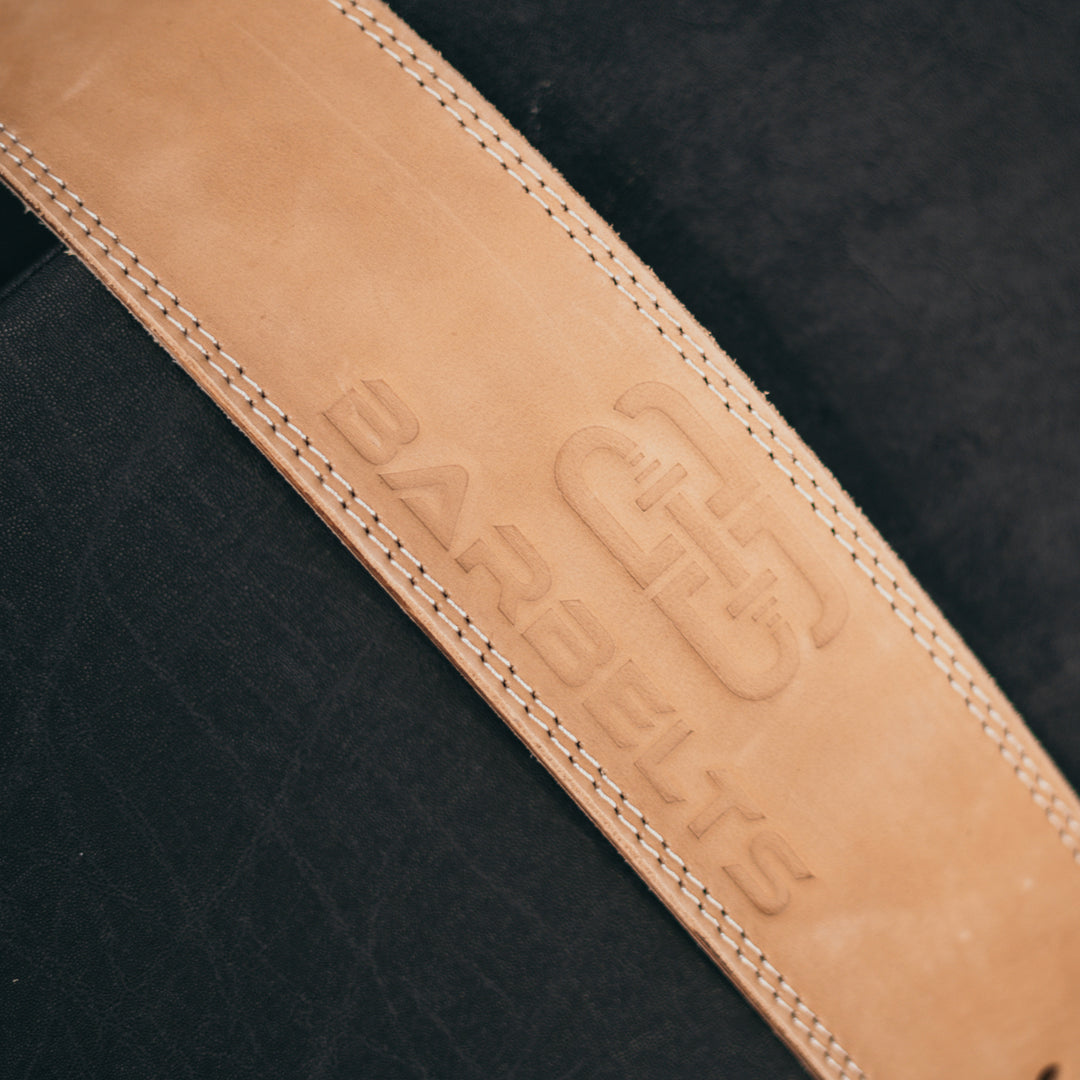
A lever belt is usually made of high-quality leather or synthetic materials and is worn around the lifter's waist. The most common position to wear the belt is between the hips and the ribs. However, some lifters choose a higher belt position. The belt has a lever mechanism at the front that lets you close the belt safely and easily.
Benefits of a lever belt
The lever belt offers several advantages over other types of weightlifting belts, such as velcro belts or prong belts. Of all types of powerlifting belts, a lever belt offers the best possible support and stability, which means:
- The risk of injury is reduced
- Strength and performance improve
- Correct lifting technique is easier to maintain during your lifts
The main advantage of a lever belt over other powerlifting belts is the lever mechanism, which lets you open and close the belt with one simple movement. Compared to prong belts, this makes the belt very easy to close and open.
Prong belts, on the other hand, have a metal pin that has to be inserted into one of the holes to fasten the belt. Getting the belt to the right tightness can take effort! Especially unbuckling it after a heavy set can be tricky when you are out of breath.
The biggest disadvantage of a lever belt is that you can't share your powerlifting belt with your gym buddy. You need a screwdriver if you want to adjust the buckle.
The difference between a 10mm & 13mm powerlifting belt
The main difference between a 13mm and 10mm powerlifting belt is the thickness of the belt itself. A 13mm powerlifting belt has a thicker and stiffer construction compared to a 10mm belt. The extra thickness provides more support and stiffness, which can be beneficial in powerlifting. The extra stiffness helps improve stability.
On the other hand, a 10 mm belt is slightly thinner and therefore more comfortable. It still provides plenty of support and stability, but offers more comfort and mobility, making it more suitable for most lifters.
The choice between a 13 mm and 10 mm powerlifting belt ultimately depends on your personal preference, the type of strength training you do and your individual needs. In general, experienced powerlifters and people who focus on the heaviest lifts prefer the 13 mm belt for its maximum support. In most cases, however, a 10 mm belt is more suitable, as it provides more than enough support and is also more comfortable to use for most body types.