




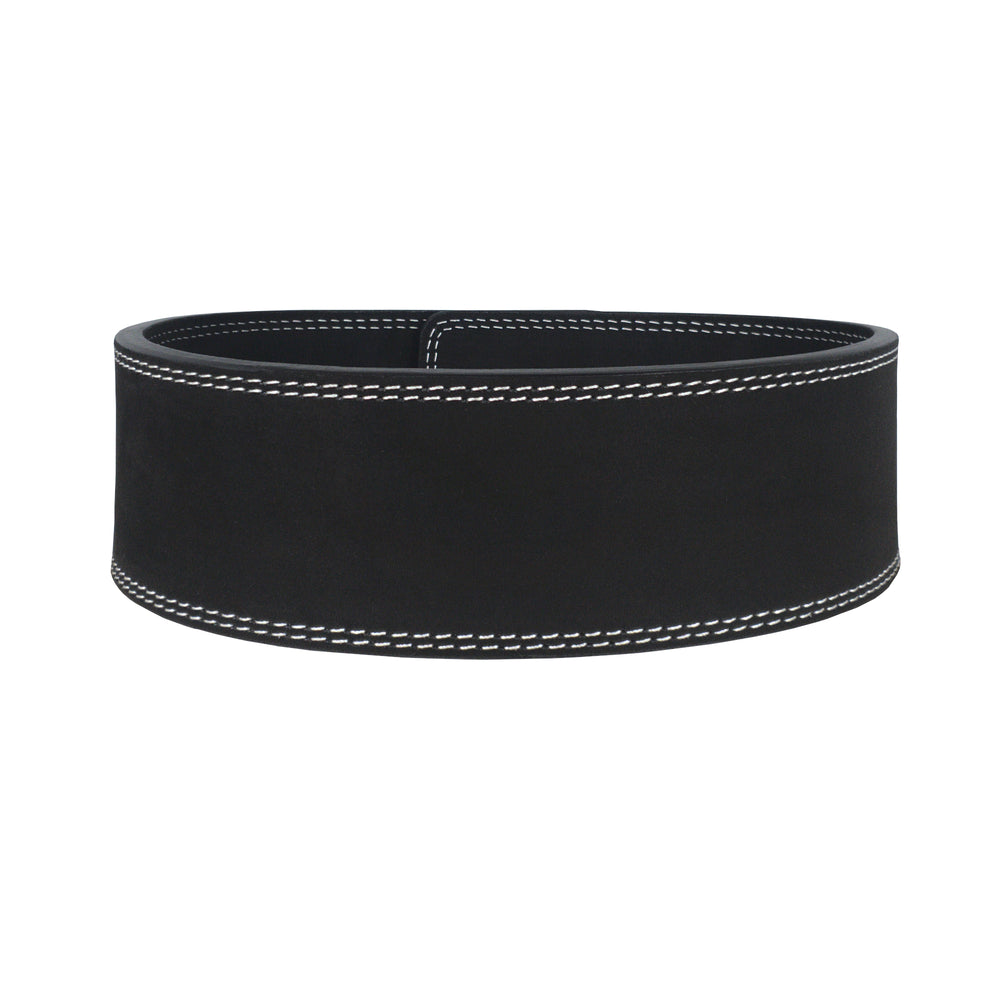


Lifting belt: your secret weapon in the gym
A lifting belt (also known as a weightlifting belt, powerlifting belt, or fitness belt) is a sturdy belt worn around your waist during heavy strength training. The main purpose is to provide extra support to your back and core during movements such as squats and deadlifts. The belt acts as a ‘wall’ for your abdominal muscles to push against, which increases intra-abdominal pressure and stabilizes your spine. In other words: the lifting belt helps your core muscles stay engaged, allowing you to lift heavier weights without overloading your back.
Main benefits of a lifting belt
• Extra stability and back support: By increasing core stability, a lifting belt can reduce pressure on your spine and help prevent (back) injuries. This gives you a safer feeling when lifting heavy.
• Improved performance: Because the belt allows you to brace more effectively and transfer power more efficiently, many lifters see a 5–15% performance boost in exercises like the squat and deadlift. With a proper lifting belt, you’ll usually lift heavier weights and crush your personal records!
• Technique awareness: Wearing a lifting belt reminds you to brace correctly and maintain proper lifting technique. This focus on form reduces the risk of injuries.
When to use a lifting belt?
A lifting belt is especially useful for heavy compound exercises. Think of squats, deadlifts, or overhead presses, where your back carries a lot of load. Avoid using it too early for light or isolation exercises; it won’t add much and can restrict your breathing. Belts are ideal during your heaviest sets, but remember: correct lifting with a belt also requires training and should be practiced as you build up to your working sets.
Place the belt just above your hip bones and tighten it enough for support without restricting your breathing. Before lifting, take a deep breath into your belly and brace your abs against the belt. This maximizes intra-abdominal pressure and stabilizes your back. Push firmly into the belt, then start the lift. Loosen it again after your heavy set to let your blood pressure drop.
Recommended Barbelts lifting belts
In our Barbelts shop, you’ll find lifting belts for every athlete. For example, the Barbelts Nylon Lifting Belt – Black: a lightweight nylon belt with a unique double-layer design for extra support and comfort. This 10 cm wide belt features a quick-release steel buckle and premium Velcro, allowing you to adjust and remove it instantly during training. Its smooth nylon finish prevents skin irritation, keeping it comfortable even during long sessions.
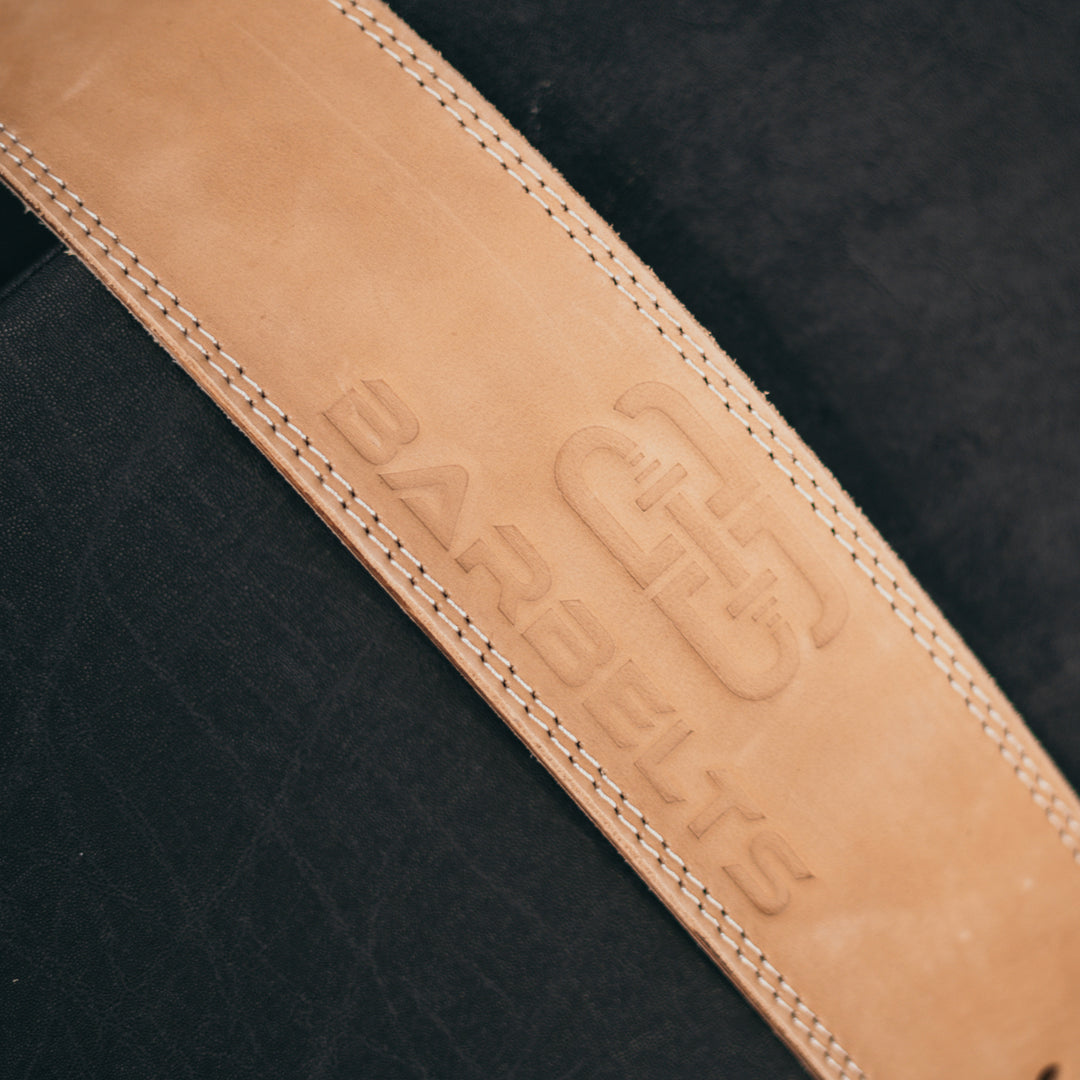
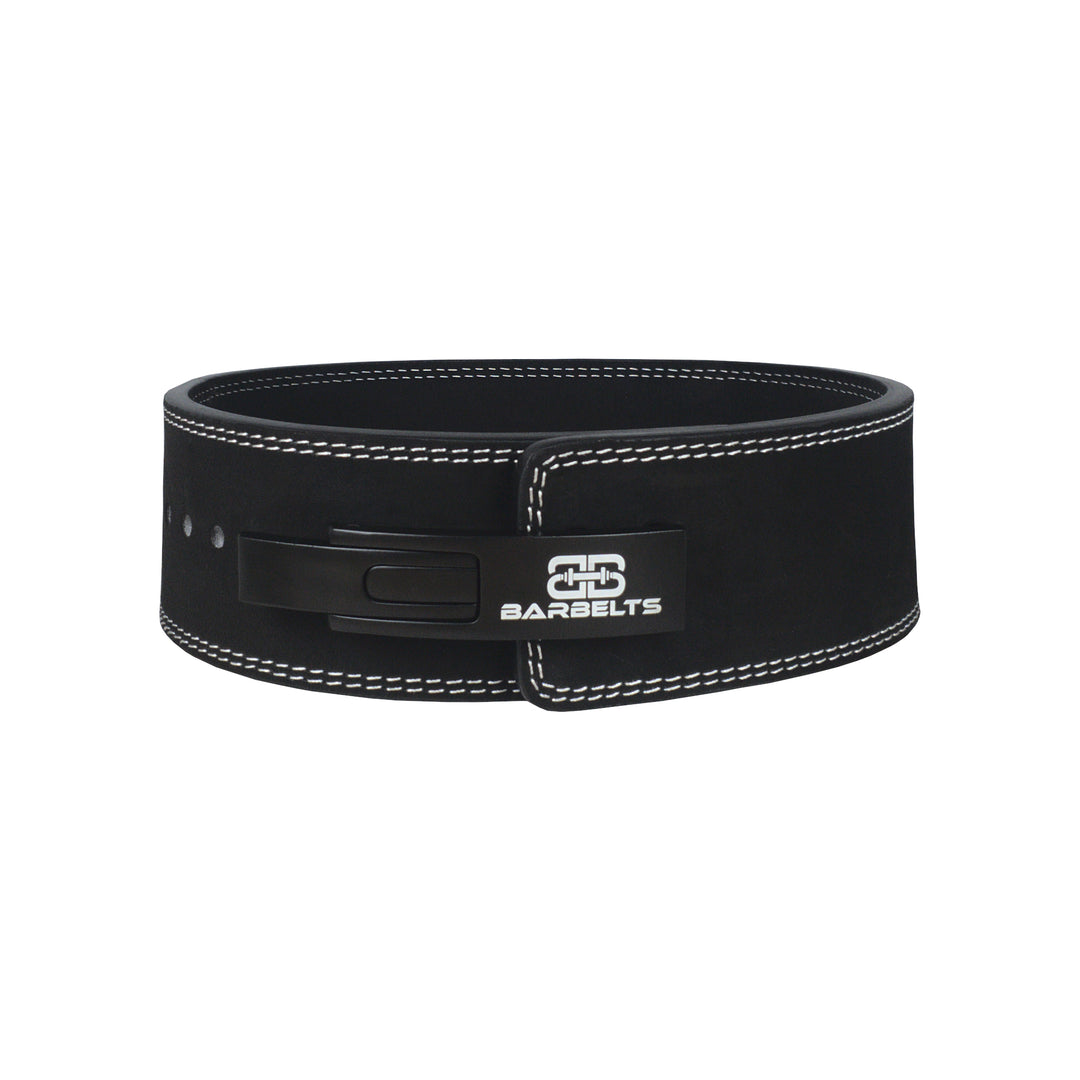
Our best-selling belt is the Barbelts Lever Belt – Black 10mm. A high-quality leather powerlifting belt with a solid lever buckle. With 10 mm thick leather and 10 cm width, it provides optimal lower back support. Thanks to the comfort of the leather, it can be used immediately without breaking in. Perfect if you take strength training seriously and want a reliable belt for years of squats and deadlifts.
For the most dedicated and demanding lifters, we offer the Barbelts Premium FlexLock Lifting Belt – Black 3D. Made from 100% buffalo leather (the strongest grade of leather), this belt features a unique FlexLock system with 5 locking positions, each 1 cm apart. This allows you to adjust the tightness ‘on the fly’ without moving the buckle. Available in 10 mm (more flexible, more comfort) or 13 mm thickness (extra stiff, for the heaviest lifts). Both versions meet professional standards and feature rough suede on the inside for maximum grip and comfort.
Tips for beginners
• Build technique and core strength first. A lifting belt is no substitute for proper form. Learn correct squat and deadlift technique and strengthen your core without a belt. See it as an extra tool, not a fix for bad form.
• Don’t wear a belt throughout the entire workout. Especially at the beginning, it’s better to train partly without one to build natural stability. Use the belt only for your heaviest reps or sets. This way, you train both with and without it and prevent compensating for weak points.
Still unsure which lifting belt suits you best? We’re here to help you make the right choice so you can smash your next PRs faster!